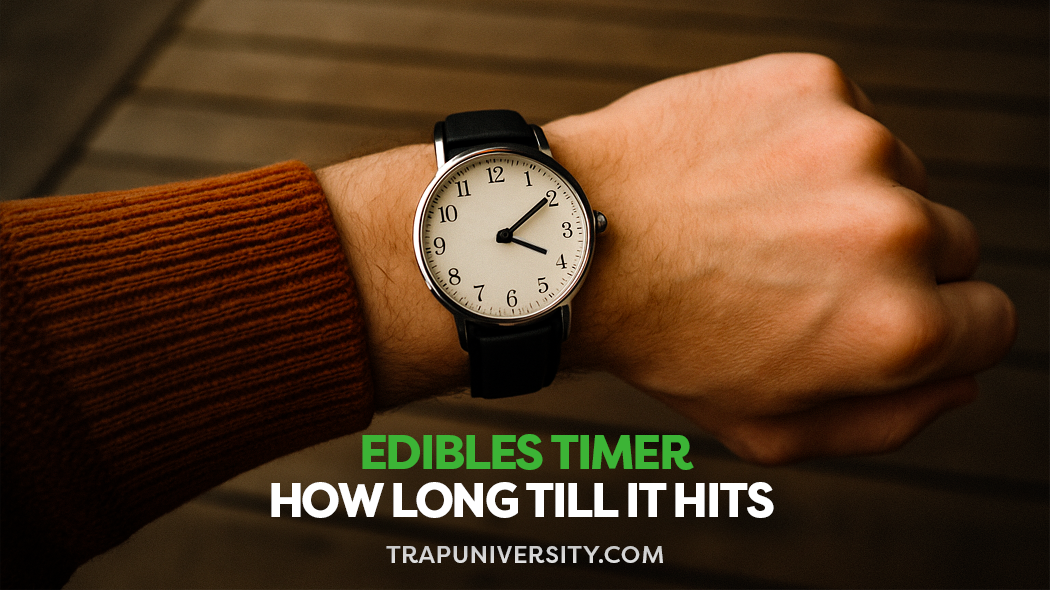
Whether you’re popping your first THC gummy or are a seasoned edible enthusiast, understanding the timing of effects is crucial for a positive and safe experience. The world of edibles has evolved rapidly, with new formulations hitting the market that promise quicker onset and more controlled highs. Knowing what to expect—and how to prepare—can make all the difference in your vibe. the burning question always comes down to: how fast do edibles kick in? In this blog, we dive into personal timing experiments, scientific findings, and factors that can impact how quickly those euphoric effects hit. Plus, we’ll touch on how to better control your edible experience in 2025.
Disclaimer: This article is for informational purposes only and does not provide medical advice. THC products are intended for adults 21+ where legal. Always consult a healthcare provider if you have health concerns.
⏱️ The Average Onset Time for Edibles
Most people start feeling the effects of edibles within 30 to 90 minutes. But that window can vary a lot depending on the type of edible, your metabolism, and even what you ate that day.
Sublingual strips or sprays: 15–30 minutes (average: 22 minutes)
Some users reported feeling a slight “body buzz” within 20 minutes when using high-bioavailability edibles, while others took nearly two hours to notice any significant effects. This range underlines why understanding the science and personal variables is so essential.
Keep in mind: onset doesn’t mean peak. Most users report the peak high happens 1.5 to 3 hours after ingestion.
🧠 What Affects Edible Onset Time?
Several factors influence how quickly THC edibles take effect:
1. Metabolism
People with faster metabolisms may feel effects sooner. Age, weight, and activity level all play a role.
2. Stomach Contents
A full stomach slows absorption. Edibles on an empty stomach kick in faster—but may also hit harder and unpredictably. Eating fatty foods can also change the onset speed by improving THC solubility and absorption.
3. Edible Type & Formulation
Nano-emulsified THC products (often labeled “fast-acting”) are engineered to absorb quicker than traditional oil-based edibles. This innovation uses water-compatible THC particles that bypass slower digestion pathways.
4. THC Dose and Tolerance
Higher doses and lower tolerance generally produce faster noticeable effects. Regular users might take longer to feel the same dose, while sensitive users can be affected in under 20 minutes with strong products.
5. Hydration and Body Chemistry
Dehydration can delay onset or amplify side effects like dry mouth and dizziness. Well-hydrated users report smoother experiences.
🍬 Fastest Edibles You Can Try in 2025
If you’re looking for something with quicker onset, consider the following innovative edible categories that are dominating the market in 2025:
🧪 1. Nano THC Gummies
These are designed for rapid absorption using nano-emulsification technology, which allows THC to bypass traditional digestion routes. Onset can begin in 15–30 minutes, sometimes even quicker for sensitive users.
Use Case: Ideal for functional highs, pre-social gatherings, or when timing matters—like a concert or night out.
Popular Option: Trap University’s Liquid Nano Gummies, featuring balanced flavor and precision dosing.
💧 2. Sublingual Tinctures
Held under the tongue for up to 60 seconds, tinctures allow THC to enter the bloodstream directly through the sublingual glands. Users typically feel effects within 20–40 minutes, faster than traditional edibles.
Use Case: Great for medical users who need predictable timing or for nighttime relaxation before bed.
Pro Tip: Look for products that combine cannabinoids (e.g. THC + CBN) for sleep or focus enhancements.
🌈 3. THC-infused Beverages
Liquid-based THC gets absorbed through the digestive tract and sometimes via the buccal (cheek) lining, speeding up onset to around 30–45 minutes.
Use Case: Perfect for casual hangouts, pool parties, or just winding down at the end of the day. These beverages often come in low-dose cans, making them easy to dose slowly.
Popular Flavors in 2025: Blackberry lemonade, mango-pineapple spritzers, and sparkling raspberry lime.
Products like Trap University’s THC Drops and fast-acting gummies remain top-tier options when it comes to managing your high with confidence and precision.
If you’re looking for something with quicker onset, consider:
🧪 The Science Behind THC Digestion
When you consume THC orally, your body processes it differently than when you inhale it. Here’s a breakdown of what happens:
Ingestion and Digestion: THC travels to your stomach, where it begins the digestive process. The rate at which your stomach empties can significantly affect onset time.
First-Pass Metabolism in the Liver: From the stomach, THC moves to the liver through the portal vein. Here, it undergoes what is known as first-pass metabolism, a process where enzymes convert delta-9 THC into 11-hydroxy-THC. This metabolite is known to be more potent and longer-lasting than inhaled THC, explaining why edible highs feel more intense and can last much longer.
Systemic Circulation: After conversion, 11-hydroxy-THC enters the bloodstream, crosses the blood-brain barrier, and produces the psychoactive effects associated with edibles.
Research published in the Journal of Clinical Pharmacology has shown that 11-hydroxy-THC reaches higher peak levels in the blood than delta-9 THC, contributing to its strong and enduring effects.
⚗️ Bioavailability and Absorption
Bioavailability refers to how much of the active compound reaches the bloodstream. Traditional edibles have low bioavailability—typically around 4–20%—due to digestion losses and liver metabolism. Fast-acting edibles improve this through technologies like nano-encapsulation, which reduce particle size and allow THC to be absorbed more efficiently, even bypassing first-pass metabolism to a degree when combined with sublingual delivery or water solubility strategies.
Understanding these mechanisms can help users make better-informed choices about edible types, doses, and timing.
When you eat THC:
It travels to the stomach and is digested.
It moves to the liver, where delta-9 THC is converted to 11-hydroxy-THC—a more potent form.
This compound enters the bloodstream, producing the intense body high edibles are known for.
Studies show 11-hydroxy-THC can be up to 3x more potent than smoked delta-9 THC, explaining the longer and stronger effects.
Bioavailability plays a major role here. Traditional edibles have 4-20% bioavailability, meaning you absorb a fraction of the THC consumed. Fast-acting tech aims to improve this through nano-encapsulation and emulsification processes.
⚠️ Why It’s Dangerous to Redose Too Soon
One of the biggest mistakes new users make is thinking it “didn’t work” and taking another dose.
Don’t. Do. That.
If you take more before the first dose peaks, you risk greening out—a state of extreme discomfort with nausea, anxiety, and dizziness.
Golden Rule: Wait at least 2 full hours before redosing.
Tip: Use a journal or timer app to track dosage and timing when trying a new edible. Note the product name, brand, dosage, time of ingestion, and time of first effects.
✅ Tips for a Safe Edible Experience
Start low (2.5–5mg THC), especially if you’re new
Wait at least 2 hours before considering another dose
Avoid alcohol or other substances that may intensify effects
Stay hydrated and have light snacks ready
Choose a comfortable, calm environment—especially for first-timers
Tell a friend or roommate if you’re experimenting solo—just in case you need support
🔄 Edibles vs. Other Consumption Methods
Method
Onset Time
Duration
Peak Effects
Smoking/Vaping
1–10 minutes
1–3 hours
30–60 minutes
Edibles
30–90 minutes
4–8+ hours
2–3 hours
Tinctures
20–40 minutes
2–5 hours
1.5–2.5 hours
Beverages
30–45 minutes
2–4 hours
1–2 hours
Many users combine methods (e.g., vaping + edible) for more control or layering of effects. However, cross-method stacking increases complexity—use caution and track your total dosage.
🧠 Final Thoughts
The next time you’re wondering how fast edibles kick in, remember: it’s a marathon, not a sprint. Everyone’s body is different, and onset depends on multiple factors. Don’t rush it. Respect the edible, and it’ll respect you.
Keep a notebook. Know your brands. Understand the science. And, above all, enjoy the ride safely.
Disclaimer: This content is not intended to diagnose, treat, cure, or prevent any disease. Always check with local laws and consult a licensed professional before consuming cannabis products.