What is Visual Perception?
Visual perception is the brain’s ability to interpret light, color, and patterns from the environment. It determines how we see depth, motion, contrast, and color—and why these elements can sometimes appear enhanced or altered depending on context and stimuli.
Have you ever noticed how colors seem more vibrant, lights feel softer, or patterns appear more detailed during certain experiences?
That’s not random.
👉 It’s visual perception at work.
In everyday life, your brain is constantly filtering and organizing visual input. But under specific conditions—like lighting changes, emotional shifts, or sensory-enhancing products—your perception can feel dramatically different.
In this guide, we’ll break down how visual perception works, why colors and light can feel amplified, and how certain products like mushroom gummies and chocolates are often associated with these experiences.
How Visual Perception Works
At its core, visual perception is a collaboration between your eyes and your brain.
The Process
- Light enters the eye
- The retina converts it into signals
- The brain interprets those signals
But here’s the key:
👉 Your brain doesn’t just receive information—it interprets and reshapes it.
That’s why the same environment can feel completely different depending on your state of mind.
According to research from the National Institute of Neurological Disorders and Stroke, perception is influenced by both sensory input and cognitive processing.
Why Colors Feel More Intense
Color is one of the most noticeable aspects of visual perception.
Under certain conditions, people report:
- brighter tones
- deeper contrasts
- more noticeable patterns
This happens because the brain’s visual processing can become more sensitive to:
- light variations
- color saturation
- environmental detail
Studies referenced by the Journal of Neuroscience suggest that perception of color is closely tied to neural activity in the visual cortex.
The Role of Light and Environment
Lighting plays a massive role in shaping how we experience visuals.
Natural Light vs Artificial Light
- sunlight enhances color warmth and depth
- artificial lighting can flatten or distort tones
At events, festivals, or even at home, small changes in lighting can completely transform your environment.
That’s why intentional environments—like relaxed settings or immersive spaces—can make visuals feel more engaging.
Why Everything Can Feel “Different”
When people talk about visuals feeling enhanced, they’re usually describing a shift in sensory awareness.
This can include:
- noticing textures more clearly
- seeing patterns in everyday objects
- feeling more connected to colors and light
These effects are often discussed in relation to certain natural compounds found in mushrooms.
👉 Learn more about research and effects: Johns Hopkins Center for Psychedelic Research
Where Mushroom Gummies and Chocolates Fit In
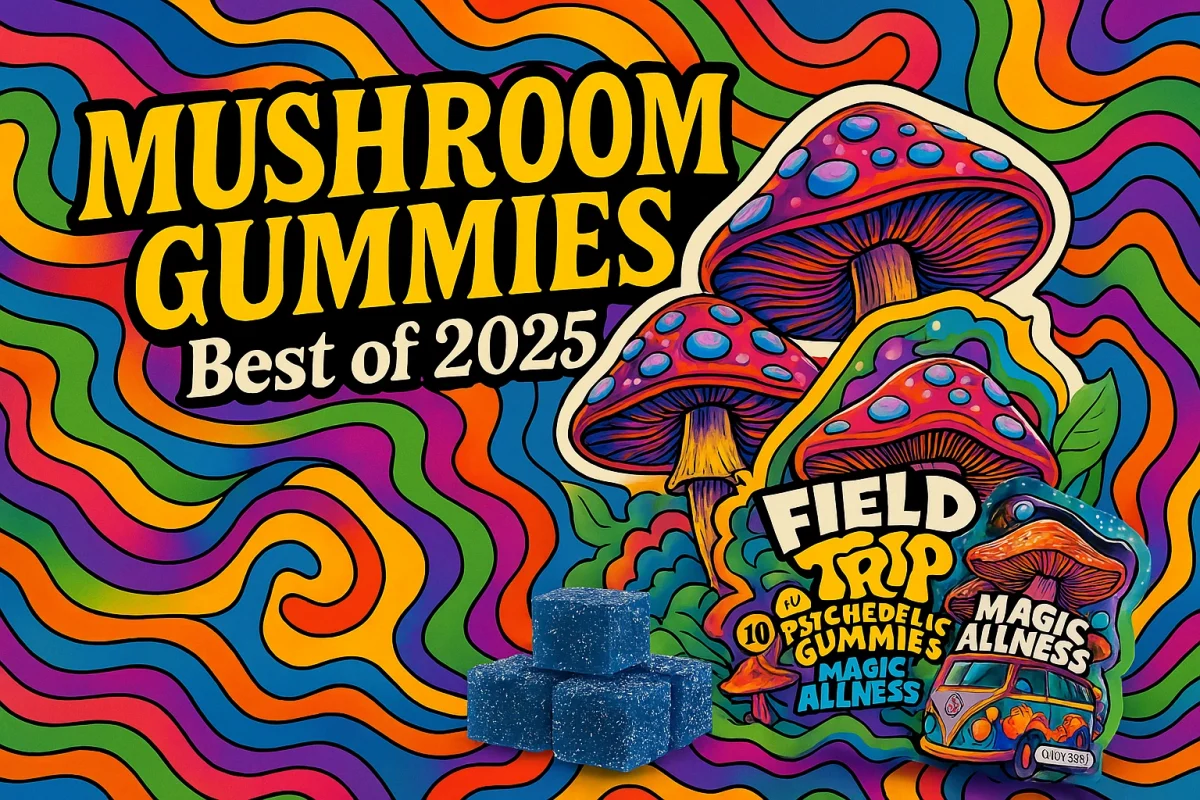
In recent years, products like mushroom gummies and chocolates have become part of the conversation around enhanced sensory experiences.
These products are often associated with:
- heightened awareness
- shifts in visual perception
- more immersive environments
Popular Formats
👉 Explore options: Shop Mushroom Gummies
👉 Try alternatives: Shop Mushroom Chocolates
These formats are designed for convenience and consistency, making them a common choice for people exploring different types of experiences.
The Science Behind Visual Changes
Why does perception shift?
According to studies from Nature Neuroscience, certain compounds can influence how brain regions communicate—particularly those involved in sensory processing.
This can lead to:
- increased connectivity between brain areas
- altered pattern recognition
- changes in how visual signals are interpreted
This doesn’t change reality—it changes how your brain processes it.
Set and Setting Still Matter
One of the most important factors in visual perception isn’t just what you consume—it’s where you are.
Environment influences everything.
👉 Learn more: The Psychology of a Good Session
Key Factors
- lighting
- comfort level
- surroundings
- mindset
A calm, well-designed space can make visuals feel more engaging and enjoyable.
How to Enhance Visual Experiences Safely
If your goal is to explore visual perception, intention matters.
Tips
- start with a comfortable environment
- avoid overstimulation
- stay hydrated
- choose familiar settings
The goal is not intensity—it’s awareness.
Common Misconceptions
“It’s just about strength”
Not true. Visual perception is influenced more by context and brain processing than raw intensity.
“Everyone experiences it the same way”
Also false. Perception is highly individual.
People Also Ask
Why do colors look brighter sometimes?
Because your brain can become more sensitive to contrast and light under certain conditions.
What affects visual perception the most?
Lighting, environment, and mental state all play a major role.
Do mushroom products affect visuals?
Some users report changes in perception, but experiences vary widely.
Final Thoughts
Visual perception is one of the most fascinating parts of human experience.
It’s not just about what you see—it’s about how your brain interprets the world.
From lighting and environment to products like mushroom gummies and chocolates, everything plays a role in shaping how reality feels.
And once you start paying attention to it, you realize:
👉 the world hasn’t changed—your perception has.
This content is for informational purposes only and does not constitute medical or legal advice. Consult a healthcare professional before using any products. Intended for audiences 21+.