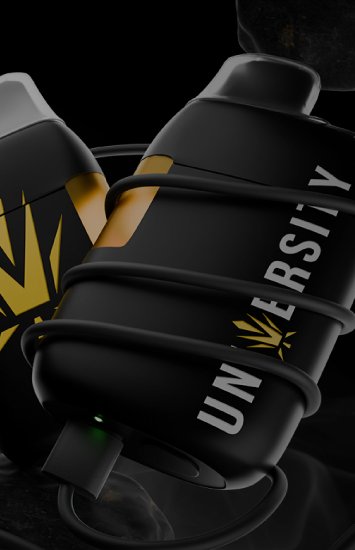
CB9, also known as Cannabiorcol, is the latest cannabinoid making waves in the hemp industry. With users reporting mild effects and brands experimenting with CB9 tinctures, vapes, and gummies, many are asking the big question: Is CB9 legal in the USA?
The answer isn’t simple—but this guide will break it down so you can navigate the legal landscape of CB9 with clarity and confidence.
Disclaimer: This content is for informational purposes only and does not constitute legal advice. Please consult a qualified attorney or check local laws before purchasing or using cannabis products.
📄 What Is CB9?
CB9 is a minor cannabinoid that typically does not occur in high quantities naturally in hemp or marijuana plants. Instead, it’s often lab-synthesized from hemp-derived CBD through isomerization processes—similar to how Delta 8 or HHC is produced.
While its effects are still being studied, early users describe CB9 as offering light euphoria and mental clarity, without the intense high of Delta 9 THC. This has led to a rise in CB9 products like CB9 tinctures, CB9 vapes, and even experimental CB9 gummies.
But with any new cannabinoid comes a critical question: What is its legal status?
🌐 Is CB9 Legal Under Federal Law?
CB9’s federal legal status currently falls under the 2018 Farm Bill, which legalized hemp and its derivatives—as long as the final product contains less than 0.3% Delta 9 THC by dry weight.
✅ According to the 2018 Farm Bill:
- Hemp = cannabis with <0.3% Delta 9 THC
- Derivatives, extracts, and cannabinoids from hemp are legal
So, if CB9 is derived from legal hemp and contains less than 0.3% Delta 9 THC, it is federally legal by default, even if CB9 itself is not explicitly mentioned in any legislation.
Note: The Farm Bill does not legalize marijuana-derived CB9 or synthetic cannabinoids unrelated to hemp.
🏛️ DEA & FDA Stance on CB9
The DEA (Drug Enforcement Administration) has not specifically listed CB9 as a controlled substance. However, they have made public statements about synthetic cannabinoids being potentially illegal depending on their chemical structure and psychoactive nature.
- CB9 isn’t on the DEA’s Controlled Substances List
- But it could be considered illegal if deemed “synthetically derived” and psychoactive
The FDA, on the other hand, has not issued specific guidance or approvals related to CB9. This means CB9 products:
- Cannot be marketed as dietary supplements or treatments
- Must follow labeling and safety regulations like any hemp product
In short: CB9 sits in a gray area. Legal until challenged.
🌿 CB9 Legality USA: State-by-State Variations
Federal legality is one thing, but state laws override when it comes to cannabinoid regulation. Some states have cracked down on hemp-derived isomers (like Delta 8 or HHC), which could affect CB9 as well.
🔹 States Where CB9 is Likely Legal (Hemp-friendly laws):
- California
- Florida
- Illinois
- Colorado
- New Jersey
- Michigan
These states follow federal hemp law and have not specifically banned cannabinoids like CB9.
🔹 States Where CB9 is in a Gray Zone:
- Texas
- Georgia
- Pennsylvania
- Arizona
- Nevada
Some of these states allow Delta 8 but may later issue new regulations regarding synthetic cannabinoids.
❌ States That May Restrict or Ban CB9:
- Idaho
- Iowa
- North Dakota
- Vermont
- Alaska
These states have banned or restricted several hemp-derived cannabinoids, and CB9 could fall under those same rules.
Always check with your state’s Department of Agriculture or cannabis regulatory body.
⚠️ What Could Change CB9’s Legal Status?
Several ongoing developments could affect CB9’s future legal classification:
1. 2024 Farm Bill Update
The next Farm Bill may explicitly address or limit minor cannabinoid isomers like CB9, especially those created via chemical conversion.
2. FDA Regulation
If CB9 becomes more mainstream, the FDA could step in to enforce labeling, health claims, or even product recalls for unsafe formulations.
3. Legal Challenges or Bans
State lawmakers or federal agencies could ban CB9 outright, similar to recent restrictions on Delta 8 or THCP in certain jurisdictions.
If CB9 becomes popular enough, regulation is almost inevitable.
📜 How CB9 Compares Legally to Other Cannabinoids
Understanding CB9’s legal status becomes clearer when we compare it to other cannabinoids already navigating regulatory waters. Here’s how CB9 stacks up:
🔹 CB9 vs Delta 8 THC
Delta 8 became a legal sensation in 2020, but several states have since banned it due to concerns over its semi-synthetic nature and psychoactive effects. CB9 may face a similar fate if regulators follow this precedent.
🔹 CB9 vs CBD
CBD is federally legal and widely accepted thanks to the 2018 Farm Bill—but only when not marketed as a supplement or drug. CB9 lacks the same volume of research, which limits its regulatory clarity.
🔹 CB9 vs HHC
Like CB9, HHC is also derived from hemp via lab conversion. Some states allow it; others restrict it under broader laws that target chemically modified cannabinoids. This sets a potential path for how CB9 might be viewed.
🔹 CB9 vs THCP
THCP’s ultra-high potency triggered red flags in states concerned about cannabinoid psychotropics. CB9 is far milder, but once its psychoactivity is confirmed (or disproven), laws could follow accordingly.
Takeaway: CB9 exists in a space similar to Delta 8 and HHC—technically legal federally, but vulnerable to state interpretation and change.
🧠 Why Legal Clarity on CB9 Matters for Consumers and Brands
CB9’s gray area isn’t just a legal technicality—it has real-world impacts on the cannabis ecosystem:
🔸 For Consumers:
- Inconsistent availability: Some online shops won’t ship CB9 to restricted states, even if there’s no official ban.
- Safety concerns: Without regulation, some products may skip lab testing or contain harmful byproducts.
- Legal risk: Carrying CB9 in the wrong state could result in fines or confiscation.
🔸 For Brands:
- Operational uncertainty: Brands must navigate varying state laws, often changing overnight.
- Marketing limitations: Without FDA guidance, claims around CB9 benefits must remain vague and non-medical.
- Risk of enforcement: Selling across state lines increases exposure to federal scrutiny, especially if a state bans the product later.
Legal clarity would support standardized production, safe formulation, and consumer education. Until then, both buyers and sellers must act with caution—and prioritize transparency and compliance above all.
Pro Tip: Always request lab results and ensure your vendor follows GMP (Good Manufacturing Practices) when shopping for cannabinoids like CB9.
🔎 How to Track CB9 Law Changes in Real Time
Cannabis laws shift quickly, and CB9 is no exception. Here’s how to stay ahead of changes:
🧭 State-Level Tools:
- Visit your State Department of Agriculture or Cannabis Control Board websites
- Use resources like NORML’s state law tracker to review updates on cannabinoid legality
🌐 Industry Watchdogs:
- Project CBD and Leafly News often publish early reports on cannabinoid bans, lawsuits, or legislation
- Join Reddit communities like r/hempflowers or Discord groups that discuss cannabinoid policy in real time
📨 Legal Alerts:
- Sign up for Trap University’s Newsletter for updates on CB9 legality and product releases
- Follow advocacy groups on X (formerly Twitter) or LinkedIn for insights directly from industry insiders
Staying informed ensures you’re not caught off-guard by a sudden product ban or law change. When dealing with compounds like CB9, knowledge is your best legal defense.
🍯 How to Stay Compliant When Buying CB9 Products
If you’re looking to try CB9 products in 2025, follow these tips to stay legal and safe:
✅ Always Look for:
- Products labeled as hemp-derived
- COAs (Certificates of Analysis) showing <0.3% Delta 9 THC
- Reputable vendors that follow FDA labeling guidelines
⚠️ Avoid:
- Products that lack lab testing
- Vapes or tinctures sold in states with bans on synthetic cannabinoids
- Any item claiming medical benefits or cures
Related: Best CB9 Products of 2025 – Explore compliant, lab-tested options.
🚀 The Future of CB9 Legality
CB9’s future legal status will depend on three things:
- Public demand and product innovation
- Scientific studies validating its safety or risk
- State and federal willingness to regulate rather than ban
If the industry leans into compliance, transparency, and education, CB9 could follow a similar path to CBD—from fringe compound to mainstream cannabinoid.
But for now, CB9 lives in a legal limbo: not banned, not regulated, and not FDA-approved. That means it’s up to consumers to verify legality and safety on a product-by-product basis.
❓ FAQs About CB9 Legal Status
Is CB9 legal everywhere in the U.S.?
No. While federally legal under certain conditions, some states restrict cannabinoids like CB9.
Is CB9 considered synthetic?
If it’s lab-converted from hemp-derived CBD, it may be classified as a semi-synthetic cannabinoid. This matters legally in some states.
Can I fly with CB9 products?
Technically yes, if it meets TSA hemp compliance (under 0.3% Delta 9 THC), but check airline and state laws.
Are there age limits for CB9?
Yes. Must be 21+ to purchase or consume in most jurisdictions.
Can I order CB9 online?
In many states, yes. But your package may be intercepted or refused if shipped to restricted states.
🔮 Final Thoughts: Is CB9 Legal?
CB9 legality in the USA depends on federal interpretation, state policy, and how the product is sourced. While it may be legal under the 2018 Farm Bill, the lack of clarity around synthetic cannabinoids creates uncertainty.
Your best bet? Stick to hemp-derived CB9, verify COAs, and stay informed about your state’s regulations.
Want to keep up with legal updates, product launches, and cannabinoid research? Subscribe to the Trap University Newsletter.
Stay informed. Stay compliant. Stay curious.
Disclaimer: This article is for informational purposes only and does not provide legal or medical advice. Always consult legal experts and healthcare providers before purchasing or using any cannabinoid product.
Age Notice: This content is intended for audiences 21 years and older, as required by U.S. law.