Is THC Legal in My State? The cannabis landscape is constantly evolving, and in 2025, staying informed about THC laws in your area is more important than ever. Whether you’re new to cannabis or recently moved to a different zip code, this guide breaks down everything you need to know, from recreational use to medical access and what the future of legalization might look like across the U.S.
This content is for informational purposes only and does not constitute legal or medical advice. Always consult your state’s specific cannabis regulations before purchasing or using THC products.
This article is intended for audiences 21 years and older, as required by U.S. law.
🌍 Understanding THC Legality in the U.S.
Cannabis legality is determined at the state level, while the federal government continues to classify it as a Schedule I controlled substance. This dual-layered legal status creates a patchwork of laws that can be confusing for consumers.
Key Terms:
- Recreational THC Legal: Adults 21+ can buy and use THC products for non-medical purposes.
- Medical THC Legal: Access restricted to patients with qualifying conditions and medical authorization.
- Decriminalized: Possession of small amounts is not a criminal offense but may incur fines.
- Illegal: All forms of THC possession and use are banned.
🗺️ THC Laws by State in 2025
If you’re asking Is THC Legal in My State, this guide has the answers. It provides a clear breakdown of cannabis laws across each state as of mid 2025, using data from the National Conference of State Legislatures and the most up-to-date cannabis legality information available.
✅ Fully Legal for Recreational and Medical Use (24 States + D.C.):
Alaska, Arizona, California, Colorado, Connecticut, Illinois, Maine, Maryland, Massachusetts, Michigan, Missouri, Montana, Nevada, New Jersey, New Mexico, New York, Oregon, Rhode Island, Vermont, Virginia, Washington, Washington D.C., Ohio (effective 2025), Delaware (legal sales pending), Minnesota (effective 2025)
⚕️ Medical-Only States (15 States):
Arkansas, Florida, Hawaii, Louisiana, New Hampshire, North Dakota, Oklahoma, Pennsylvania, Utah, West Virginia, Georgia, Alabama, Iowa, Kentucky, Texas (with THC content capped at 1% under the Compassionate Use Program)
🚫 Illegal or Highly Restricted (11 States):
Idaho, Indiana, Kansas, Nebraska, North Carolina, South Carolina, Tennessee, Wisconsin, Wyoming, Mississippi (pending full program implementation), South Dakota (recent repeal of medical program)
Tip: Even in states where THC is legal, local ordinances may restrict where or how you can consume.
🏛️ Federal vs. State THC Laws: What You Should Know
Despite momentum for reform, THC remains federally illegal under the Controlled Substances Act. This creates challenges like:
- No interstate shipping of THC
- Banking limitations for cannabis businesses
- Legal risks on federal property (e.g., airports, national parks)
That said, 2025 has seen a mixed outlook:
- Ongoing efforts to reschedule THC to Schedule III
- Delays due to political and regulatory obstacles (Reuters)
- Expanded state protections under the proposed SAFE Banking Act
Stay informed—federal policy can impact even legal-state consumers.
📈 2025 THC Legalization Trends
Cannabis policy isn’t static. Here’s what’s trending in 2025:
1. Microlegalization
Some states allow specific THC products (like edibles or oils) while banning smokables. For example, Texas permits low-THC oils capped at 1% THC through medical use.
2. Delta Variants in Legal Gray Zones
Delta-8, Delta-10, and THC-O products continue to be available in states where Delta-9 is banned—but new legislation is cracking down. NORML continues to track developments.
3. Municipal Autonomy
Cities and counties are opting out of state programs, so legality can vary within the same state.
Example: Some California counties restrict dispensaries despite statewide legality.
People Also Ask (PAA)
Is THC federally legal in 2025?
No. As of this year, THC remains a Schedule I substance federally. However, state protections offer access in over 30 states.
Can I travel with THC across state lines?
No. Even between two legal states, crossing borders with THC products violates federal law.
Are THC vapes and edibles treated differently?
Yes. States like Minnesota and Florida allow THC gummies with strict dosage caps, while smokable flower remains restricted.
What’s the difference between medical and recreational THC access?
Medical programs require documentation and are often limited to specific conditions. Recreational access is open to all adults 21+.
🛍️ Where to Buy THC Legally in 2025
If you’re in a legal state, make sure to:
- Buy from licensed dispensaries only
- Look for products with lab-tested COAs (Certificates of Analysis)
- Avoid buying off unregulated online platforms
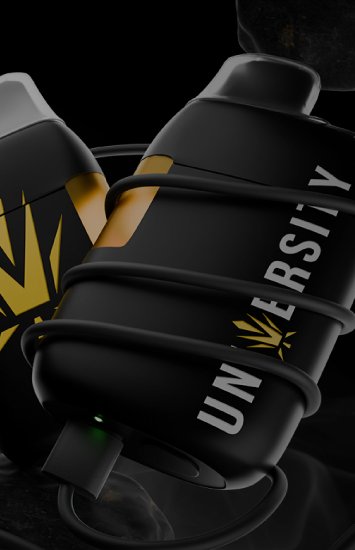
Resource: Trap University’s Guide to THC Vapes
Discover how different cannabinoids affect flavor, potency, and legality in our terpene-packed education section.
Transparency tip: Look for QR codes on packaging that link directly to COA results.
📌 How to Stay Compliant in Your State
- Read local laws monthly
- Follow possession limits (varies by state)
- Don’t carry THC on federal property
- Use only in designated consumption areas
- Never drive under the influence
Ignorance of the law is not a defense—always stay informed.
📊 Future Outlook: Will THC Be Federally Legal Soon?
While full legalization hasn’t occurred yet, 2025 shows a blend of support and bureaucracy:
- National polls show nearly 70% public support for legalization (Gallup, 2024)
- Rescheduling to Schedule III is under active review
- Political and lobbying pushback continues to delay change
Until then, knowing THC legality by state is crucial.
Other Resources:
For a clear look at federal cannabis policy, read the FDA Cannabis & CBD Regulation Guide.
To explore official health data on THC and cannabis, check the CDC Cannabis Overview.
For national-level marijuana research updates, visit the NIH Cannabis Research Hub.
If you’re curious about how THC interacts with the brain, review the NIDA Marijuana DrugFacts.
For a deep, science-backed review of cannabis effects, see the National Academies Cannabis Report.
✅ Summary: Where Is THC Legal in the U.S.?
- 24 states + D.C. allow full recreational use
- 15 states have limited medical programs
- 11 states still restrict or ban THC entirely
Whether you’re vaping, eating edibles, or trying THC tinctures, always check 2025 cannabis laws before making a move.
Bookmark this guide and follow NCSL, NORML, and MPP for the latest updates.
Disclaimer: This content is for educational purposes only. It does not constitute legal advice. Always verify THC laws in your specific jurisdiction before use.
Age Notice: This content is intended for audiences 21 years and older, as required by U.S. law.