Magic mushrooms have fascinated people for centuries, showing up in everything from ancient art to religious ceremonies. These fungi contain psilocybin, a compound that can lead to mind-expanding effects and shifts in perception.
With more areas across the U.S. considering decriminalization and studies uncovering possible therapeutic benefits, curiosity about magic mushrooms is on the rise. Explore everything you need to know about how magic mushrooms work, the effects they can have, legal considerations, and the potential risks and benefits.
How Magic Mushrooms Work
The effects of magic mushrooms can vary widely depending on dosage, personal tolerance, mindset, and setting. Most people describe a mix of physical and mental experiences that can feel anywhere from enjoyable to intense, including:
- Positive feelings. At lower doses, people may experience a boost in mood, feeling uplifted and connected to others or to their environment. Feelings of euphoria, laughter, and a sense of wonder and awe are common, and many users say they experience a “cosmic giggle,” a burst of insight or humor that often accompanies feelings of interconnectedness.
- Negative feelings. Higher doses or uncomfortable settings can sometimes lead to negative emotions like anxiety, paranoia, or even panic. Known as a “bad trip,” these experiences may involve fear, helplessness, or intense introspection that feels overwhelming. They are usually temporary, but the distress can be severe enough to affect some users long after the trip is over.
- Distortions in perception. A hallmark of the magic mushroom experience is the change in perception of time, colors, and physical surroundings. Some users report seeing vivid colors, distorted shapes, or changes in their sense of time—minutes may feel like hours or vice versa. At higher doses, psilocybin can produce mild hallucinations, such as seeing patterns or “breathing” walls.
How Long Do the Effects Last?
The length and intensity of a psilocybin trip depends on dosage, how it’s taken, and each person’s unique body chemistry. Usually, the experience unfolds in stages: it starts with an onset phase, builds to a peak, and then gradually winds down back to normal.
- Onset time. After ingestion, psilocybin’s effects usually begin after 30 minutes, though this can vary slightly based on how it’s consumed. Some users feel the first effects as quickly as 20 minutes, especially with liquid or tea forms, which are absorbed more quickly than whole mushrooms.
- Duration of the trip. For most users, a trip lasts about 4 to 6 hours, with peak effects occurring between 2 to 4 hours. Some residual effects, such as mild introspection or physical relaxation, may linger after the peak phase.
- Detection time. Psilocybin is metabolized relatively quickly, with most traces leaving the body within 8 hours. However, some specialized drug tests can detect its presence for up to 24 hours.
Several other factors can influence the intensity and overall experience of a trip. Having a comfortable setting, a positive mindset, and even the specific type of mushroom (since some are naturally stronger) can all make a difference in your experience.
What Do Magic Mushrooms Look, Taste, and Smell Like?
Magic mushrooms are often described as having an earthy, slightly rubbery taste. Some varieties, like Liberty Caps and Fly Agarics, have distinct appearances and flavor profiles, though the effects are generally similar.
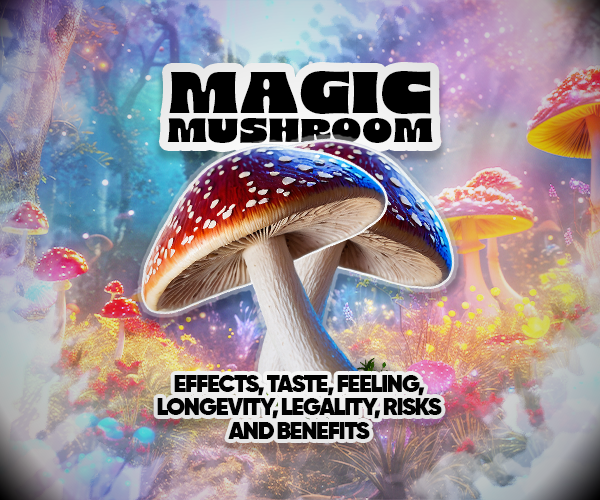
Liberty Caps, for example, are small and thin with pointed caps, while Fly Agarics are larger, with red or orange caps and white spots. The taste of magic mushrooms is earthy, sometimes bitter, and can be difficult for some people to chew and swallow. Because of this, many people look for alternative ways to consume them that disguise the flavor or texture while still providing the psychoactive effects.
How To Take Magic Mushrooms
Magic mushrooms can be ingested in various ways, each affecting the speed and intensity of the experience. Some popular methods include:
- Raw or dried. Many prefer eating mushrooms in their natural form, either raw or dried. However, eating them raw can sometimes cause stomach discomfort.
- Tea. Brewing mushrooms into tea is a popular option as it’s gentler on the stomach and offers a slightly milder taste. Some people add honey or other herbs to improve the flavor.
- Liquid psilocybin drops. Liquid psilocybin allows for precise dosing and easier ingestion. However, liquid psilocybin may be more difficult to access, as it requires processing that’s generally only done by licensed labs in clinical or research settings.
- Gummies, chocolates, and candy. Magic mushroom extract or certain proprietary mushroom blends can be mixed into sweet edibles like gummies, candies, and chocolates. This allows for easier dosing and more discreet consumption and helps to disguise the mushroom flavor.
Legality in the United States
Psilocybin mushrooms are illegal at the federal level in the U.S. and are classified as a Schedule I substance. This category of drugs is seen as having a high potential for abuse with no accepted medical use—though recent research is starting to question that view.
Some places, however, are loosening restrictions. In 2020, Oregon became the first state to legalize psilocybin for supervised medical use, followed by Colorado. A few cities, like Denver, Oakland, and Santa Cruz, have decriminalized possession, creating a mix of legal standards across the country.
Penalties for Possession and Distribution
Penalties for possessing, using, or distributing psilocybin mushrooms can be serious and differ from state to state. Getting caught with psilocybin can lead to jail time, probation, and hefty fines.
In some places, a first offense might just be a misdemeanor, but repeat offenses could mean felony charges. Selling or distributing psilocybin usually comes with even harsher penalties, and federal cases can lead to long prison sentences.
Driving and Legal Concerns
Driving under the influence of psilocybin is illegal and can be extremely dangerous. The way psilocybin affects your perception and thinking makes it risky to operate a vehicle, increasing the chances of accidents. If someone’s caught driving on psilocybin, they could face serious legal trouble, like fines, losing their license, or even jail time.
Risks and Precautions
While magic mushrooms have their appeal, they come with risks that can impact both physical and mental well-being in lasting ways.
Physical Health Risks
A major risk is accidentally confusing toxic mushrooms with psilocybin ones. Many wild mushrooms look like magic mushrooms but are poisonous. For example, the Skullcap (Gallerina) mushroom appears similar to the popular Liberty Cap variety.
Eating the wrong kind can cause nausea, stomach pain, dizziness, and, in serious cases, poisoning that needs immediate medical attention. Identifying mushrooms correctly and only buying magic mushroom products from reputable buyers are key to avoiding these dangers.
Mental Health Risks
Psilocybin can also have negative effects on mental health, especially for people with pre-existing conditions. Some users go through “bad trips,” where intense fear, anxiety, or paranoia take over, leading to upsetting thoughts.
For those with conditions like anxiety, psilocybin might make symptoms worse. Some people even report flashbacks or lingering mental effects after a tough trip, so it’s wise to be cautious if you have any mental health concerns.
Mixing With Other Drugs
Mixing magic mushrooms with other substances like alcohol, cannabis, or stimulants can amplify their effects in unpredictable and potentially dangerous ways. Alcohol can heighten dizziness and nausea, while stimulants can increase heart rate and blood pressure. Combining psilocybin with other psychedelics can also intensify its effects, which may lead to a loss of control or physical discomfort.
Addictive Potential
Magic mushrooms aren’t considered addictive since they don’t create dependency. However, people can build up a tolerance relatively quickly, meaning they might need larger doses to feel the same effects. Using them frequently can also lessen their impact, which can sometimes lead people to consume more than intended to get the desired psychedelic experience.
Potential Benefits
Recently, there’s been an increase in interest in psilocybin’s potential therapeutic benefits, especially for treating mental health issues. Some of the benefits may include:
- Therapeutic potential. Researchers have found that psilocybin may help alleviate symptoms of depression, PTSD, and anxiety. It is suspected that psychedelics may improve neuroplasticity, helping to create new connections within the brain. This may allow for more effective transport of mood-regulating substances like serotonin.
- Ongoing legal and clinical trials. As legal barriers begin to lift, clinical trials continue to evaluate psilocybin’s safety and efficacy for therapeutic use, and its classification as a Schedule I substance may soon be reconsidered.
Shop Magic Mushroom Products at Trap University
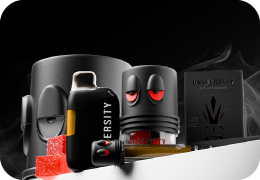
Explore the unique world of magic mushrooms with Trap University’s exclusive products. Our magic mushroom gummies and chocolates are crafted with a proprietary blend of mushrooms, offering a mind-bending experience without the high associated with traditional ‘shrooms. Start your journey with Trap University today and discover a new side to wellness.