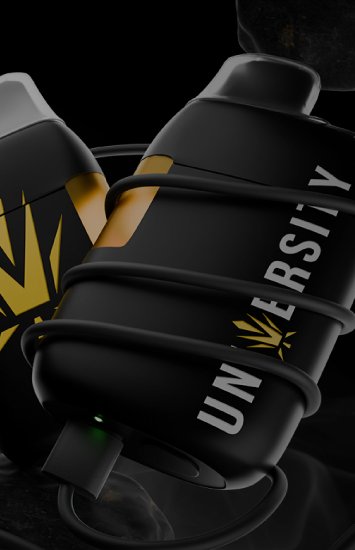
What Is Microdosing? (Quick Explanation)
Microdosing refers to taking very small amounts of a compound in order to experience subtle effects rather than intense or overwhelming ones. Instead of pursuing strong or immersive experiences, individuals practicing microdosing often aim for a more balanced, controlled approach.
In recent years, microdosing has gained attention as adults explore ways to incorporate low‑dose experiences into their routines. The practice is often discussed in relation to focus, creativity, mood balance, and mindful consumption habits.
While the concept itself has existed for decades, modern technology and product innovation have made microdosing more accessible than ever before.
Why Microdosing Is Becoming More Popular
Interest in microdosing has grown significantly over the last decade. Several cultural and technological factors have contributed to this shift.
1. Increased Awareness and Research
More academic institutions are studying low‑dose experiences and how small quantities of certain compounds interact with the brain. Organizations like the Johns Hopkins Center for Psychedelic & Consciousness Research continue to explore the science behind these substances and how they affect perception and cognition.
These studies have helped normalize conversations around responsible experimentation and mindful consumption.
2. Greater Focus on Wellness and Self‑Optimization
Many adults today are interested in routines that support personal growth, creativity, and productivity. Because microdosing involves intentionally small amounts, it appeals to individuals who prefer subtle shifts rather than dramatic experiences.
Some people describe microdosing as a way to stay present and engaged while exploring altered perspectives in a controlled manner.
3. Modern Product Formats Enable Precision
Another major factor behind the growth of microdosing is the availability of products designed for consistent dosing.
Products like gummies, chocolates, and measured capsules make it easier for individuals to understand how much they are consuming.
If you’re curious about edible formats designed for controlled portions, you can explore options like 🚗🍭 Best Mushroom Gummies for Road Trips → Read more.
How Microdosing Typically Works
Microdosing generally involves taking a fraction of a typical recreational dose. The goal is not to produce intense perceptual changes but rather subtle effects that may be barely noticeable.
Many individuals follow structured routines such as:
- taking a microdose every few days
- cycling periods of dosing and rest
- keeping journals to track experiences
This structured approach allows individuals to monitor how small changes influence their day‑to‑day activities.
Microdosing and Modern Lifestyle Trends
One reason microdosing resonates with modern adults is that it aligns with broader lifestyle trends centered around intentional living.
Creativity and Innovation
Professionals in creative fields often explore practices that encourage fresh perspectives. Microdosing is sometimes discussed within communities interested in design, entrepreneurship, and artistic work.
Mindful Consumption
Rather than seeking high‑intensity experiences, many adults prefer subtle, controlled approaches to consumption. Microdosing fits into this philosophy by emphasizing moderation.
Balanced Exploration
For many individuals, microdosing represents a middle ground between abstinence and high‑dose experimentation.
Products Designed for Microdosing
Modern retail environments now offer a variety of products that support controlled low‑dose experiences.
Gummies
Gummies have become one of the most common formats because they allow for consistent portion sizes.
Retailers often offer different cannabinoid and mushroom gummy products, including options available in the Gummies category.
For those interested in exploring popular options, this guide highlights several well‑known picks: 🏆 Top‑Rated Mushroom Gummies of 2025 → Read more.
Chocolates
Chocolate products are another popular format for controlled dosing because portions can be divided easily.
You can explore curated edible options like Mushroom Chocolates for precise serving sizes.
Measured Capsules
Capsules provide another method for individuals who want precise, consistent quantities without needing to divide products manually.
What Research Says About Microdosing
Scientific research on microdosing is still developing. Some studies suggest low‑dose experiences may influence perception, mood, or cognitive flexibility, though findings vary depending on methodology.
Institutions such as the National Institute on Drug Abuse (NIDA) and NYU Langone Health continue to explore how these compounds interact with the brain and behavior.
Researchers emphasize the importance of responsible experimentation, informed decision‑making, and awareness of legal frameworks.
Is Microdosing Legal?
Legal status varies widely depending on the substance and jurisdiction. Certain products derived from hemp are federally legal in the United States under the 2018 Farm Bill if they meet specific requirements. Other compounds may be regulated differently depending on state or local laws.
Consumers should always research local regulations and purchase products from reputable retailers that provide transparent information.
People Also Ask
What does microdosing mean?
Microdosing refers to taking extremely small quantities of a compound to produce subtle effects rather than intense experiences.
Why do people microdose?
Some individuals report using microdosing as part of routines focused on creativity, focus, or mindful exploration.
How often do people microdose?
Many people follow structured schedules that involve dosing every few days rather than daily use.
Are microdosing products easy to measure?
Modern edible products such as gummies and chocolates often provide clearly labeled portion sizes that help users track dosage.
(Links you should attach in your editor)
Johns Hopkins Center for Psychedelic & Consciousness Research → https://hopkinspsychedelic.org/
National Institute on Drug Abuse (NIDA) → https://nida.nih.gov/research-topics/psilocybin-magic-mushrooms
The Science Behind Microdosing Research
As interest in microdosing grows, research institutions around the world are studying how very small quantities of certain compounds interact with human perception and cognition.
One of the most active research centers exploring altered states and low-dose experiences is the Johns Hopkins Center for Psychedelic & Consciousness Research. Their work focuses on understanding how certain compounds influence brain activity, perception, and cognitive processes.
Researchers are investigating how low-dose exposure may affect attention, creativity, and emotional processing. These studies are helping scientists better understand how subtle doses interact with complex neural systems.
Other organizations are also contributing to the scientific understanding of these compounds. For example, the National Institute on Drug Abuse (NIDA) tracks research exploring how these substances interact with the brain and influence behavior.
Although scientific knowledge is still evolving, these research initiatives are helping build a clearer picture of how microdosing may affect cognition and perception.
(Links you should attach in your editor)
Johns Hopkins Center for Psychedelic & Consciousness Research → https://hopkinspsychedelic.org/
National Institute on Drug Abuse (NIDA) → https://nida.nih.gov/research-topics/psilocybin-magic-mushrooms
How the Brain Responds to Low-Dose Experiences
Scientists studying perception and neurochemistry have discovered that certain compounds can temporarily influence communication between brain regions.
A neuroscience study published in Nature examined how compounds associated with altered states affect neural connectivity patterns. Researchers observed temporary changes in how different brain networks communicate with each other.
These changes may help explain why some individuals report shifts in creativity, perspective, or emotional awareness when exploring low-dose experiences.
Another research review exploring neuroplasticity — the brain’s ability to reorganize and adapt — can be found in a neuroscience summary published on ArXiv. The review discusses how certain compounds may influence neural pathways and learning processes.
While these findings are still being studied, they provide valuable insight into how microdosing may influence brain activity in subtle ways.
(Links to attach)
Nature study → https://www.nature.com/articles/s41586-024-07624-5
ArXiv neuroscience review → https://arxiv.org/abs/2411.19840
Cultural Shifts Driving the Microdosing Movement
Beyond scientific research, microdosing has also become a cultural trend connected to mindfulness, creativity, and intentional living.
Organizations like the Beckley Foundation publish scientific research and policy analysis exploring altered states, consciousness, and perception. Their work contributes to global conversations about how these compounds interact with the human mind.
Academic institutions are also studying real-world usage patterns. For example, the Rocky Mountain Cannabis Research Center examines how emerging compounds are used and studied in real-world environments.
Together, these cultural and scientific developments are helping shape how modern adults approach low-dose experiences in the modern era.
(Links to attach)
Beckley Foundation → https://www.beckleyfoundation.org/resources/science-publications/
Rocky Mountain Cannabis Research Center → https://medschool.cuanschutz.edu/psychiatry/programs-centers/rocky-mountain-cannabis-research-center/about-us
Final Thoughts
As cultural attitudes toward mindful consumption continue evolving, microdosing has emerged as a topic of interest among many adults exploring controlled, low‑dose experiences.
While research is still ongoing, the practice reflects a broader shift toward intentional experimentation and responsible use.
For readers curious about related products and formats, exploring curated categories such as Gummies and Mushroom Chocolates can provide insight into how modern products support controlled dosing.
Disclaimer
This content is for informational purposes only and does not constitute medical or legal advice. Laws vary by location, and individuals should always verify local regulations before purchasing or consuming products. This content is intended for audiences 21 years and older.