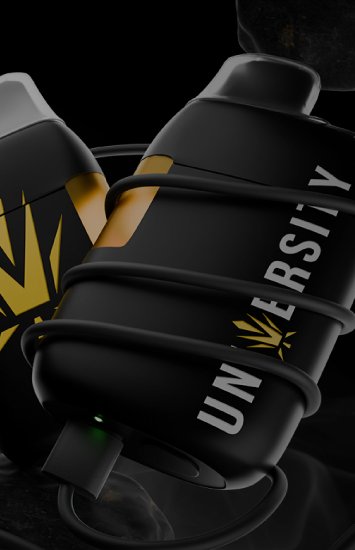
If you are asking yourself, “What are the THC vape laws in 2025?”, you are definitely not alone. As THC vapes continue to dominate the market, regulations are shifting faster than ever. Between federal restrictions, shipping limitations, and state-specific rules, the legal landscape has become increasingly complex.
In this guide, we break down the current THC vape laws at both the federal and state level, so you can shop, travel, and consume with clarity and confidence.
Disclaimer: This content is for informational purposes only and does not constitute legal advice. Always consult legal professionals or local authorities before buying or using THC products.
This content is intended for audiences 21 years and older, as required by U.S. law.
🌿 What Is a THC Vape?
A THC vape is a device that vaporizes tetrahydrocannabinol (THC), the psychoactive compound in cannabis. Products can include:
Delta 9 THC cartridges
THCA vapes (which convert to THC when heated)
Live resin, liquid diamonds, or distillate blends
Vapes are popular for their fast onset, portability, and discreet usage. However, their legal status depends heavily on the type of THC used and the state you’re in.
🌎 Federal THC Vape Laws in 2025
Under federal law, THC vapes made with Delta 9 THC remain illegal, unless sold in a state with a licensed recreational or medical cannabis program.
Key Federal Points:
Delta 9 THC is a Schedule I substance under the Controlled Substances Act
THCA and other hemp-derived cannabinoids are legal if the final product contains <0.3% Delta 9 THC by dry weight
USPS bans the shipment of vape products through its network (PACT Act compliance)
This means hemp-derived vapes may be legal federally, but they can’t be mailed without strict regulations and licensing.
🏛️ State-by-State THC Vape Laws (2025 Snapshot)
State laws vary dramatically. Here’s how it breaks down:
🔹 Legal for Recreational Use:
California
Colorado
Oregon
Michigan
Massachusetts
New York
Nevada
Arizona
These states allow licensed sales of THC vapes, often with potency caps and packaging regulations.
🔹 Medical Use Only:
Florida
Pennsylvania
Ohio
New Mexico
Oklahoma
Patients must have a medical marijuana card and purchase from a licensed dispensary.
🔹 Banned or Severely Restricted:
Idaho
Nebraska
Indiana (bans Delta 9 but allows Delta 8 in limited cases)
North Carolina (gray zone)
Note: Many states restrict flavored vape products or limit THC concentration.
Tip: Check your state’s Department of Health or Cannabis Control Board for real-time updates.
🚨 Shipping THC Vapes in 2025: What Changed
The Preventing Online Sales of E-Cigarettes to Children Act (PACT Act) now includes all vape hardware and cannabinoid vapor products. This makes shipping THC vapes (even legal ones) far more complex.
What This Means:
Brands must register with ATF and comply with tax reporting
Age verification is mandatory upon delivery
USPS does not deliver THC or hemp vapes
Most companies use private carriers like UPS or regional couriers
If you order online, expect delays, added shipping fees, and a more rigorous checkout process.
⚡️ Common Compliance Mistakes for THC Vape Sellers
Whether you’re a shopper or a brand, here are the most common legal missteps:
Mislabeling products with inaccurate THC content
Selling across state lines without checking legality
Marketing medical claims without FDA approval
Failing to test for heavy metals, solvents, and potency
Brands that ignore these requirements can face recalls, fines, or even criminal charges.
One of the lesser-known—but critical—factors influencing THC vape legality is lab testing compliance. Even if a THC vape is legal in your state, failure to meet testing standards can render it illegal to sell or possess.
What Must Be Tested:
Potency (THC content): Must match label and fall within legal thresholds (especially for hemp-derived products)
Pesticides: Many states have banned dozens of pesticide residues
Heavy Metals: Lead, arsenic, mercury, and cadmium levels must be non-detectable
Residual Solvents: CO2 and ethanol extraction residues must be below toxic thresholds
Why It Matters:
Products that test over 0.3% Delta 9 THC can violate the Farm Bill
Inaccurate or missing COAs (Certificates of Analysis) can result in raids or product recalls
Consumers face health risks from improperly purified or contaminated vape oils
Tip: Always request or verify third-party COAs before purchasing any vape—especially online or in unregulated states.
💼 THC Vape Licensing: What It Takes to Stay Legal
Behind every legal THC vape product is a web of licensing and regulatory hoops. Whether it’s a state-licensed dispensary or a hemp product vendor, staying compliant means staying licensed.
For Cannabis-Derived THC Vapes:
Retail Licenses: Required to sell within legal states
Manufacturing Licenses: Needed to produce or package vape oils
Testing Lab Accreditation: Labs must be state-certified for compliance testing
Advertising Restrictions: No targeting minors, health claims, or unapproved messaging
For Hemp-Derived Vape Brands (THCA, Delta 8, etc.):
Business Licensing by State: Some states require hemp product seller registration
PACT Act Compliance: Includes strict age verification and shipping reporting
FDA Labeling Compliance: No health claims, proper ingredient listing, and disclaimers
Failure to meet these standards doesn’t just affect brands—it can also impact consumers who unknowingly purchase illegally produced or mislabeled products.
Want to avoid shady operators? Stick with retailers that display licenses and testing badges on-site and online.
🌎 Global Outlook: How Other Countries Handle THC Vapes
As THC vapes gain traction in the U.S., other countries are also developing their own regulatory frameworks—sometimes more restrictive, sometimes more progressive.
🌿 Canada:
THC vapes are federally legal under the Cannabis Act, but limited in potency and flavor options. Only sold via licensed retailers.
🪙 Germany:
Recently legalized recreational cannabis. Vaping is allowed within personal possession limits, but THC products must meet strict pharmaceutical-grade standards.
🚫 Australia & U.K.:
THC vapes remain illegal except in medical settings. Even hemp-derived cannabinoids like Delta 8 are restricted.
🇲🇽 Mexico:
Cannabis is decriminalized but vape sales are in a legal gray area. Enforcement varies by region.
As the global market grows, cross-border sales and imports of THC vapes remain highly risky—even for hemp-derived products. Consumers should avoid traveling internationally with vapes, even if they’re legal in the U.S.
Bottom line: Laws abroad are still catching up to innovation, so travel light and research thoroughly.
🌮 Hemp-Derived vs Marijuana-Derived THC Vapes
This distinction is critical in determining legality:
Category
Legality
Common Uses
Marijuana-Derived THC
Legal in licensed states
Recreational, medical dispensaries
Hemp-Derived THCA/Delta 8/10/CB9
Legal federally (under 0.3% THC)
Sold online, head shops, CBD stores
Many brands now offer THCA vapes that become Delta 9 when heated but stay under the federal 0.3% limit pre-activation.
🌀If you’re after classic, reliable potency, go with our THC Vapes.
❓ What Are the Laws for THC Vape in My State? (FAQs)
Can I travel with THC vapes?
Only within legal states. Crossing state lines with THC vapes is still a federal crime.
Can I buy THC vapes online?
In some states, yes—but vendors must follow PACT Act rules and shipping restrictions.
What if I live in a gray-area state?
Stick to hemp-derived vapes with third-party COAs. Always check your state’s updated policies.
Are there age restrictions?
Yes. You must be 21+ to purchase or consume any THC vape product, even if it’s hemp-derived.
Is it safer to buy from licensed dispensaries?
Absolutely. Dispensaries test for pesticides, metals, and potency, offering the most compliant products.
🚀 Final Thoughts: THC Vape Laws in 2025
THC vapes are here to stay—but the laws governing them are anything but simple.
If you’re wondering what are the laws for THC vape products, know this: legality depends on the type of THC, your state, and how you buy it. Stay compliant by:
Buying from licensed dispensaries or verified hemp retailers
Avoiding interstate travel with THC products
Reading product labels and lab results carefully
Staying up to date with both federal and state law changes
Disclaimer: This content is for informational purposes only and does not constitute legal advice. Please consult your state or local authorities for legal guidance.
Age Notice: This content is intended for audiences 21 years and older, as required by U.S. law.
When comparing THCA prerolls vs THC prerolls, most people assume they’re basically the same thing. They look identical. They smell similar. They burn ...
You’ve probably seen Delta 9, Delta 8, THCA, THCP, and more pop up on vape carts, gummies, and labels. But if Delta 9 is THC… then what’s all this tal...
Understanding THCA vs THC: What Makes Them Different
If you have ever held a nug and wondered what makes it potent or what determines whether it is l...
As cannabis science advances, more consumers are asking nuanced questions about cannabinoids. A top inquiry? THCA vs THC: which is stronger? It’s a fa...
Is THC Legal in My State? The cannabis landscape is constantly evolving, and in 2025, staying informed about THC laws in your area is more important t...
From Music to THC Vapes: A Cultural Fusion
The connection from music to THC vapes isn’t random—it’s cultural chemistry. Trap music’s hazy visuals, la...
Cooking With THC Oil: How to Dose Your Homemade Edibles the Right Way
Cooking with THC oil opens the door to a fully personalized edible experience, ...
As Memorial Day approaches, it’s important to pause, reflect, and pay tribute to those who have made the ultimate sacrifice in military service. While...