Cannabinoids, such as THCa and THCp have recently captured significant interest in the cannabis market. These compounds boast distinct characteristics and benefits, drawing the attention of consumers and researchers alike.
While THCa is a non-psychoactive element found in raw cannabis, THCp is renowned for its potent psychoactive effects. The comparison between these two compounds illuminates their differences and potential similarities, offering a deeper insight into their unique benefits and quality standards.
What’s THCA?
THCa (tetrahydrocannabinolic acid) is a non-psychoactive cannabinoid found in cannabis and hemp plants. It transforms into THC through a process called decarboxylation, which involves heating to remove a carbon atom. In its raw form, THCa does not produce elevated feelings.
THCa offers potential benefits without causing the classic cannabis experience. When heated, it converts into THC, delivering potent euphoric effects and relief from discomfort. THCa hemp flowers are specially bred for high THCa content, enabling legal enjoyment of THC’s effects.
Cannabis plants are naturally rich in THCa, which forms in the trichomes. These tiny resinous structures contain enzymes that convert THCa into THC and other cannabinoids. Our THCa flower quality is guaranteed, ensuring the best product possible.
What’s THCP?
THCp, known as tetrahydrocannabinol, is a highly potent cannabinoid discovered in 2019 by Italian scientists. It differs from traditional THC by its longer alkyl chain, allowing it to bind more tightly to the endocannabinoid system. This unique structure makes THCp significantly more powerful, estimated to be 33 times stronger than THC.
Unlike THCa, THCp is found in very low concentrations in the cannabis plant, making it almost undetectable. Due to its potency, dosing should be approached with caution. Starting with a minimal amount is recommended to avoid overwhelming effects, particularly for beginners and those sensitive to cannabis. Gradual dosage increases can help manage its intense sensations.
THCA vs. THCP: A Comparative Analysis
Potency
THCA and THCP differ significantly in potency, influencing how they are perceived and used. THCP is an exceptionally strong cannabinoid, reputed to be 33 times more potent than traditional THC. In contrast, THCA is non-psychoactive and serves as the precursor to THC. When THCA is heated through a process called decarboxylation, it converts into THC, which causes psychoactive effects in users.
Benefits
The benefits of both THCA and THCP make them highly regarded in the cannabis community:
- Easing Tension: Both THCA and THCP can facilitate relaxation, helping to alleviate tension.
- Soothing Discomfort: These cannabinoids can assist in relieving minor physical discomforts.
- Mood Enhancement: Utilizing THCA and THCP may result in an improved mood and a more positive outlook.
- Agitation Relief: Both compounds have the potential to diminish feelings of agitation and unease.
- Sleep Support: THCA and THCP may aid in promoting better sleep and relaxation.
- Boosting Creativity: While THCP is known for enhancing creativity, decarboxylated THCA (i.e., THC) can also foster creative thinking.
Effects
Thorough understanding of the effects of THCA and THCP is essential for choosing the right product. THCA in its unheated form is non-psychoactive. Upon heating, it transforms into THC, which creates the typical “high” associated with cannabis. THCP is notably potent and delivers strong euphoric effects. Due to its powerful nature, caution is advised as excessive amounts could cause temporary anxiety.
Legalities
The legality of hemp-derived cannabinoids hinges on federal guidelines that mandate a THC content of 0.3% or less as per the 2018 Farm Bill. Despite this federal stance, individual state laws can vary, sometimes conflicting with federal law. It is vital to verify local regulations before purchasing or using these products.
Methods of Use
Numerous methods exist for consuming THCA and THCP, each with its unique benefits:
- Edibles: Gummies and other edibles provide a longer onset time but potent effects. Begin with a small dose to mitigate unexpected reactions.
- Vapes: Vaping is popular for its convenience and discretion. Vaporizers release a smooth vapor without combustion.
- Dabs: For a powerful experience, dabbing concentrates of THCA and THCP is effective and fast-acting.
- Smokables: Smoking THCA and THCP flower offers immediate effects, whether using a pipe, bong, or joint.
- Topicals: Topical applications, especially for THCA, are non-psychoactive and target localized areas.
Availability
Accessibility to THCA and THCP varies in the market. THCA is generally more accessible, available in different forms like hemp flower. In contrast, THCP, a newer cannabinoid, is rarer but can be found with some effort in select cannabis products. It is crucial to ensure that purchases are made from reputable vendors to guarantee quality and compliance with legal standards.
Cost Comparison
The cost of THCA and THCP products can differ largely due to availability and extraction complexity. THCA is more common and easier to extract, often resulting in a lower price. THCP, with its rarity and specialized extraction needs, tends to be more expensive. Consumers should consider the desired effects and potency when evaluating the cost-efficiency of each product.
| Cannabinoid |
Abundance |
Extraction Complexity |
Average Cost |
| THCA |
Higher |
Easier |
Lower |
| THCP |
Lower |
Complex |
Higher |
Chemical Structure
THCA and THCP feature unique chemical structures that explain their differing properties. THCA contains an additional carboxylic acid group (COOH) absent in THC, rendering it non-psychoactive. THCP’s molecular structure includes a longer alkyl chain with seven carbon atoms, in contrast to THC’s five-carbon pentyl chain. This extended structure allows THCP to bind more effectively to cannabinoid receptors, resulting in heightened potency.
THCa vs. THCp: Comparing How They’re Made
THCa occurs naturally in cannabis plants and can be sourced through traditional cultivation methods. It requires careful handling, including hand-trimming the buds, slow drying and curing processes, and optimal storage conditions to preserve its properties.
THCp, unlike THCa, exists in raw cannabis plants in extremely minute amounts. This cannabinoid is often produced semi-synthetically from CBD derived from hemp plants. The manufacturing process is proprietary and involves multiple steps, similar to the methods used for creating other cannabinoids like Delta 8 THC and Delta 10 THC. These procedures are often kept confidential by industry brands.
Reasons to Select Trap University for THCA and THCP Offerings
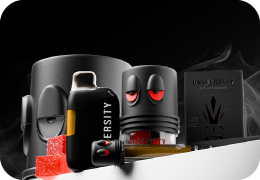
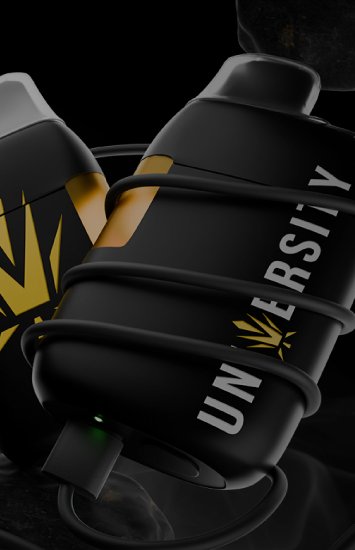
Trap University ensures top-notch THCa and THCp products derived from high-quality cannabis and hemp plants. They offer a diverse range of hand-trimmed THCa strains and meticulously crafted THCp products, all free from artificial coloring or flavors. Each product adheres to federal legal standards with less than 0.3% THC.
All products are made in the USA and undergo COA lab testing to guarantee quality. The company emphasizes a commitment to quality and customer satisfaction, backed by positive customer feedback. Trap University’ dedication to quality and fast service makes them a reliable choice for THCa and THCp options.
The Essential Facts When Choosing THCA vs. THCP Products
When looking for THCA and THCP products, ensure they come from reputable sources offering COA lab testing to confirm cannabinoid potency and purity. Verify that the products are 100% federally legal and compliant with the Farm Bill, containing no more than 0.3% THC. Lastly, focus on items with positive customer reviews and a proven track record for quality in the cannabis market.
THCa and THCp – Common Questions
Can THCa or THCp Be Detected in a Drug Test?
- Yes, both THCa and THCp can appear on drug tests. When THCa is heated, it converts into THC, the primary compound tested in drug screenings. THCp itself is a potent psychotropic cannabinoid and can also result in a positive test. To ensure a clean drug screen, it’s best to avoid consuming these substances.
Is THCp More Potent Than THCa?
- Yes, THCp is significantly more potent than THCa. THCa does not produce psychoactive effects unless heated to become THC. THCp, with its longer alkyl chain, is a potent cannabinoid, offering effects up to 33 times stronger than conventional THC. This makes THCp much more powerful in its effects compared to THCa.
Which Offers Better Effects, THCa or THCp?
- Choosing between THCa and THCp depends on individual needs and preferences. When heated, THCa provides euphoric effects similar to THC. THCp, being a highly potent cannabinoid, offers effects up to 33 times stronger than traditional THC. THCp might be preferable for those seeking intense effects, while THCa is better suited for less intense experiences.
Does THCa Induce a High?
- No, raw THCa does not induce a high. THCa is a non-psychoactive compound in raw cannabis. However, when heated, it converts to THC, which does have psychoactive properties. Thus, consuming raw THCa will not cause a high, but heated (decarboxylated) THCa will.
Are There Any Potential Side Effects with THCa or THCp?
- Yes, potential side effects can occur when consuming THCa or THCp, particularly for beginners. These may include dry mouth, thirst, upset stomach, lethargy, diarrhea, and drowsiness. Such side effects are rare and more likely with THCp due to its higher potency. Starting with a small dose and gradually increasing it can help minimize these risks.
Final Thoughts: THCp vs THCa – Comparison Guide
When considering THCp vs THCa, personal preferences and desired effects play a crucial role. THCa is present in raw cannabis and does not produce psychoactive effects until it is heated. This makes it an appealing option for those seeking therapeutic benefits without the “high.”
On the other hand, THCp is notable for its potent effects, making it suitable for individuals looking for a stronger experience. THCa is perfect for those who prefer milder outcomes. THCp caters to those desiring a more intense, euphoric sensation. Both have distinct advantages, so the choice depends on what one aims to achieve.