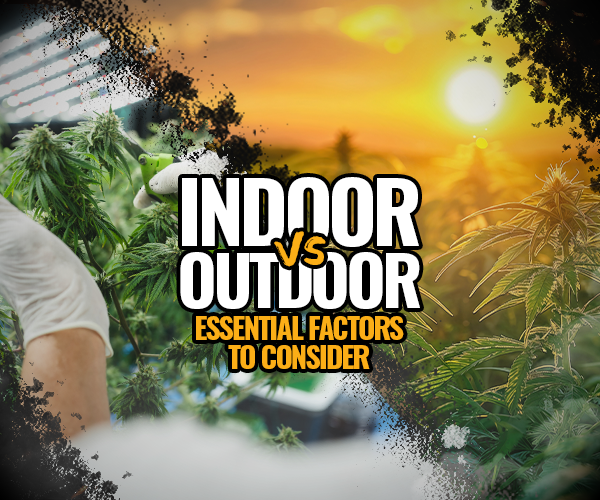
Is the sun or the grow light better for cannabis? The debate between indoor and outdoor cultivation has sparked strong opinions among growers and consumers. While indoor cannabis setups offer control over environmental factors, leading to consistent quality and yield, outdoor cannabis benefits from the full spectrum of natural sunlight and often comes with lower operational costs. Knowing these differences helps growers and consumers choose the best approach for their goals.
As the cannabis industry evolves, sustainability, legal regulations, and economic implications can determine the best cultivation methods. While both approaches offer benefits, they have specific challenges, from the environmental impact to the total harvest yield.
Cultivators looking to maximize quality and yield must weigh the benefits of controlled indoor environments against the natural advantages of outdoor growing. Learn about the differences in indoor and outdoor cannabis growth methods and the factors that can influence your growth method or choice of product.
Key Takeaways
- Indoor cultivation allows for better control over growth conditions.
- Outdoor cannabis offers environmental benefits and cost efficiency.
- Regulatory and economic factors influence cultivation decisions.
Historical Background of Cannabis Cultivation
Over the centuries, cannabis cultivation methods have evolved and been influenced by environmental, societal, and technological changes. The shift from outdoor to indoor cultivation and advancements in farming technology are vital developments that reflect this evolution.
The Transition from Outdoor to Indoor
Historically, cannabis was cultivated outdoors in various climates around the world. This method made the most of each region’s natural sunlight, rain, and soil, allowing for large-scale production. However, the legalization of cannabis in certain regions led to a shift toward indoor cultivation.
Indoor cannabis grow systems offer growers greater control over environmental conditions such as light, temperature, and humidity. This control results in consistent quality and yields, minimizing the risk posed by pests and weather conditions. Consequently, many commercial growers adopted indoor cultivation techniques to meet market demands.
Technological Advancements in Cannabis Farming
Technological advancements have transformed modern cannabis cultivation. Techniques like hydroponics and aeroponics introduce soilless growing systems, accelerating plant growth and boosting yields.
Lighting technology has also transformed the industry. High-Intensity Discharge (HID) lights and LED grow lights provide specific light spectrums that increase plant growth. Automated watering and feeding systems make it easier to care for plants, helping them grow faster and healthier.
These advancements have enabled cultivators to produce cannabis year-round, increasing overall productivity. Combining these technologies improves efficiency and supports sustainable practices by reducing resource use.
Comparative Analysis of Indoor and Outdoor Cultivation
Indoor and outdoor cannabis grow systems each have characteristics that influence quality, potency, yield, and growth cycles. Analyzing these elements helps growers develop the best practices to maximize their farms’ yields.
Quality and Potency Considerations
Indoor cannabis often benefits from carefully managed climates and environments, allowing growers to fine-tune light, humidity, and temperature. This control can lead to higher potency levels in cannabis seeds and flowers and provide more consistent cannabinoid profiles. With the correct setup, indoor cannabis grow systems can create optimal conditions for terpene production, creating a better flavor and aroma.
Outdoor cannabis plants rely heavily on natural sunlight and weather conditions to support their growth. With exposure to diverse environmental conditions, outdoor cannabis seeds and plants often develop distinct terpene profiles. However, they may also encounter challenges like pests and unpredictable weather, causing quality to fluctuate depending on location and season. This variability can sometimes result in lower potency compared to indoor-grown options.
Yield Differences and Growth Cycles
Yield potential varies between indoor and outdoor methods. Indoor cultivation typically results in smaller plants with shorter growth cycles; however, it can yield a high plant volume due to multiple yearly harvests. Growers can achieve yields of up to 1 gram per watt of light used, depending on the cultivation technique.
Outdoor cultivation allows for larger plants that produce higher yields, generally around one pound of dried cannabis per plant, under optimal conditions. The outdoor cannabis flowering stage typically has a longer growth cycle due to seasonal changes, but using natural nutrients and sunlight can lead to healthier plants. Learning about these differences can help growers maximize productivity based on the amount of space, resources, and environmental conditions they encounter.
Environmental Impact and Sustainability
Cannabis cultivation methods have serious implications for energy use and ecological balance. Both indoor and outdoor growing practices can impact the environment and affect sustainability.
Energy Consumption in Indoor Facilities
Indoor cannabis cultivation often requires substantial energy for lighting, heating, and ventilation. Grow lights, such as LEDs or HPS, are essential for plant growth but consume large amounts of electricity.
- Energy use. An average indoor facility can use approximately 30 kilowatt-hours per square foot. Growers also need to consider the energy used to power HVAC and humidity regulators.
- Carbon footprint. This high energy demand contributes to increased carbon emissions, depending on the energy sources used.
Some cultivators are exploring renewable energy options, such as solar panels and wind turbines, to mitigate these effects. Implementing energy-efficient technologies can decrease consumption, but these measures often involve initial investments that may not be feasible for all growers.
Pesticide Use and Ecosystems
Pesticide use differs between indoor and outdoor cultivation. Outdoor growers often rely on natural pest control methods, while indoor growers may need to use chemical treatments to manage pests in controlled environments.
- Ecosystem impact. Chemical pesticides can leach into soil and waterways, harming local ecosystems. This runoff affects aquatic life and can disrupt food chains.
- Regulations. Many regions, like Oregon and California, impose strict guidelines on pesticide use, leading cultivators to seek organic or less harmful alternatives.
Unlike indoor crops, outdoor cultivation can benefit from natural biodiversity. This method allows beneficial insects to thrive and helps reduce the need for chemical controls, promoting healthier ecosystems.
Legal and Regulatory Considerations
Anyone engaged in cannabis cultivation, whether indoor or outdoor, must understand the legal landscape. Essential considerations include zoning laws, local regulations, and adherence to safety standards, which can vary by location.
Zoning Laws and Local Regulations
Zoning laws mandate where cannabis can be cultivated. Municipalities often designate specific zones for agricultural use, while some may entirely restrict cannabis cultivation. Nearby residences, schools, or other sensitive areas can also influence zoning decisions, making it essential for cultivators to understand local regulations on setback requirements, seasonal limitations, and licensing obligations.
Failure to comply with these regulations may lead to fines or forced shutdowns, so consulting local government offices and legal experts can help ensure compliance and avoid any operational disruptions.
Compliance and Safety Standards
Following state and local safety rules is crucial for cannabis cultivation. These rules help keep plants safe and the environment protected. They cover everything from managing pests to responsibly using water and disposing of waste.
If growers do not meet these standards, they can be penalized or lose their licenses. Implementing proper safety measures protects the health of growers and the surrounding community. Regular audits and training can help growers maintain compliance.
Economic Aspects
The economic implications of indoor and outdoor cannabis cultivation impact growers’ business decisions. Some important aspects they need to consider include initial investment costs, operational expenditures, market demand, and consumer preferences.
Initial Investment and Operation Costs
Indoor cannabis cultivation typically requires a higher initial investment due to the need for specialized lighting, ventilation, and climate control systems. Equipment expenses can cost over $100,000, depending on the scale. Additionally, ongoing operational costs, such as electricity and water, can be substantial.
Outdoor cultivation often has lower upfront costs. Growers rely on natural sunlight, reducing electricity expenses. The use of soil and less equipment further lowers operational expenses. However, outdoor growers may face higher variable costs due to seasonal changes and pests.
Market Demand and Consumer Preferences
Consumer preferences for quality, consistency, and sustainability influence market demand for cannabis. Indoor-grown cannabis often commands higher prices due to the perceived control over the growing environment, resulting in a consistent product.
However, many consumers prefer outdoor cannabis for its organic benefits and lower environmental impact. This segment may be willing to pay a premium for sustainably grown products. When growers understand these different preferences, they can position their products more effectively in the competitive market.
Explore the Range of High-Quality Cannabis Products at Trap University
Both indoor and outdoor growing methods can produce high-quality cannabis that provides consumers with potent, aromatic THC products. At Trap University, we offer a wide selection of premium THC edibles, vapes, prerolls, and flowers. Our products are independently tested for purity, potency, and safety, and we post every lab result online so you are guaranteed the best experience possible.
If you are interested in learning more about how cannabis is grown, the legal side of cannabis production, or how to enjoy our products, check out our in-depth articles. And when you are ready to experience the benefits of cannabinoids for yourself, shop our range of THCA, THC, HHC, and Delta 9 products.