Tetrahydrocannabinolic acid (THCA) is a compound found within the unprocessed cannabis plant and is recognized for its non-psychoactive nature, becoming active only when heated to become THC. As more hemp-derived products enter the market, the legal landscape of THCA becomes increasingly important to consumers and producers alike. Its legality is influenced by state-specific laws and federal regulations, requiring individuals to stay informed about their local guidelines to safely enjoy and utilize these products.
Navigating this legal maze can be challenging, but Trap University makes it more accessible by offering products that comply with the varying legal requirements across states. Keeping up with both the federal laws and individual state mandates, they ensure that consumers have safe and legal access to a range of hemp-derived cannabis products. This approach helps maintain legal compliance while still allowing the enjoyment of the benefits that THCA offers.
Key Takeaways
- THCA is non-psychoactive until heated to become THC.
- Federal Law: Legal if under 0.3% Delta-9 THC.
- State Laws: Vary significantly; some states allow, others restrict.
- Compliance: Always check local regulations and lab results.
Understanding The Legal Framework of THCA
The legality of THCA (tetrahydrocannabinolic acid) is fundamentally connected to the changes brought by the 2018 Farm Bill. This significant piece of legislation altered cannabis regulations by removing hemp and similar mild THC cannabinoids from the list of controlled substances. This has allowed THCA, a naturally occurring compound found abundantly in cannabis plants, to be legally recognized under federal law.
The fundamental difference distinguishing legal from illegal substances lies in the THC content, specifically the delta-9 THC, which is the psychoactive element in cannabis. According to the 2018 Farm Bill, for hemp to be considered legal at the federal level, it must contain less than 0.3% delta-9 THC.
This regulatory framework has fueled growth in the cannabis sector, making it possible for hemp-derived products such as CBD oils, gummies, THCA hemp flowers, and edibles containing delta-9 THC to be legally produced and sold. These items are available for consumers to purchase and use.
State laws, however, play a critical role in the legality of THCA. While federal law provides the foundation, state-specific regulations can differ significantly, affecting the legal status of THCA and hemp products in various regions. Consumers and businesses must actively interpret and comply with both federal and state laws to ensure they remain within legal boundaries.
It’s important to note that different areas may interpret hemp legislation differently, resulting in varied restrictions on THCA. Some jurisdictions may perceive THCA products more favorably than recreational cannabis, providing a potential avenue for those seeking therapeutic cannabis benefits without experiencing intoxication.
The dynamic between federal and state regulations creates a complex legal environment for THCA, requiring careful consideration by consumers and producers alike.
How Much THCA Is Legal?
The legality of THCA is largely dictated by the concentration of THC in the product. Under the stipulations set by the 2018 Farm Bill, the total THC content, which includes THCA, must remain below 0.3% on a dry weight basis. If the concentration exceeds this threshold, the product falls under federal controlled substance regulations.
In regions where both medical and recreational marijuana is legal, additional regulations often apply to THCA content. These are typically quantified in milligrams or as a percentage of the entire product. Uncertainty remains due to varying state laws and pending federal decisions. There was anticipation for the 2023 Farm Bill to address unresolved issues from the 2018 legislation regarding psychoactive hemp. However, an extension by President Biden has temporarily maintained the existing regulatory framework until at least September 30, 2024.
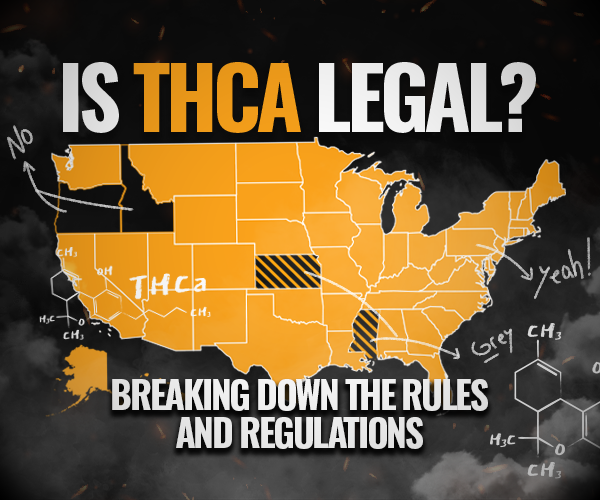
Is THCA Allowed in Your State?
Comprehending the legal standing of THCA across various states demands attention to local laws, which can be significantly diverse. It’s crucial to be informed of any updates in regulations, as changes can happen periodically. Here’s a detailed exploration of how the legality of THCA varies in different regions.
Statewide Legal Position on THCA
| State |
Legal Position on THCA |
| Arizona |
Cannabis, inclusive of THCA, is permitted for recreational purposes following legalization in 2020. |
| Arkansas |
THCA sourced from industrial hemp with less than 0.3% THC is legally permissible, not classified as a controlled substance. |
| California |
THCA is legal if extracted from hemp adhering to the 0.3% delta-9 THC limit. |
| Colorado |
Known for its liberal cannabis stance, Colorado allows adult access to THCA products. |
| Connecticut |
With laws allowing both medical and recreational cannabis, THCA faces no prohibitions. |
| Delaware |
Compliance with the Farm Bill makes hemp-derived THCA legal if it contains under 0.3% THC. |
| Florida |
Prohibits only delta-9 THC unless it is part of the medical cannabis program. |
| Georgia |
THCA is acceptable if it is derived from hemp and within the delta-9 THC limit of 0.3%. |
| Illinois |
Allows THCA freely, with no established restrictions as long as it is decriminalized for people over 21. |
| Indiana |
Follows federal rules, suggesting that THCA from hemp is likely legal. |
| Iowa |
Aligns with federal guidelines, allowing hemp-derived THCA. |
| Kentucky |
Despite stringent marijuana laws, hemp-derived THCA faces no specific restrictions. |
| Maine |
THCA can be bought legally with the permission for recreational cannabis. |
| Maryland |
Depends on delta-9 content for legality, permitting hemp-derived THCA. |
| Massachusetts |
Accepts THCA products legally for individuals over 21 in its cannabis-friendly law framework. |
| Michigan |
Recent legalization of recreational cannabis allows free enjoyment of THCA products |
| Minnesota |
Legal status for recreational cannabis provides open access to THCA. |
| Missouri |
Even with only medical marijuana being legal, compliant THCA is available. |
| Montana |
Recent recreational cannabis legalization means THCA products are not restricted. |
| Nebraska |
Legalizes products derived from hemp with THC below 0.3%. |
| Nevada |
Accessible THCA products under medical and recreational legalization. |
| New Hampshire |
THCA legality runs parallel with hemp origin and THC content rules. |
| New Jersey |
Free of constraints on THCA; both marijuana and hemp are legal. |
| New Mexico |
Legalization for recreational cannabis ensures THCA accessibility. |
| New York |
Legalized recreational cannabis, facilitating access to THCA. |
| North Carolina |
No specific limits on hemp-derived THCA, although one must stay within THC level restrictions. |
| North Dakota |
Legal approval for sales and purchases of hemp-derived THCA following federal limits. |
| Ohio |
Although recreational use has only been recently approved, hefty restrictions still apply; possession is legal, but the implementation is still in motion for adults. |
| Oregon |
|
| Pennsylvania |
Federal rules guide legality, marking under 0.3% THC in THCA as legal. |
| South Carolina |
Allows hemp-derived THCA provided it has less than 0.3% THC. |
| South Dakota |
Despite a ban on marijuana, THCA compliant with the Farm Bill is permissible. |
| Tennessee |
Lacks precise regulations on THCA, yet federal alignment makes products available lawfully. |
| Texas |
Follows federal provisions, thus legalizing compliant THCA. |
| Virginia |
Legal THCA comes from hemp plants within the designated THC limit. |
| Washington |
Embraces all cannabis derivatives, including THCA in various forms like concentrates, gummies, and oils. |
| West Virginia |
Has no clear legal stance on THCA but appears to permit products following federal norms. |
| Wisconsin |
Limits access to medical patients while aligning with federal standards for hemp-derived THCA. |
| Wyoming |
No restrictions noted for hemp-derived THCA, though lab documentation is recommended. |
This guide provides an overview of THCA’s legal positioning across different states, important for anyone looking to engage with THCA products. Always verify with state authorities to ensure compliance with current laws, as they can often experience revisions.
Why Trap University Should be Your Preferred Choice for THCA Products
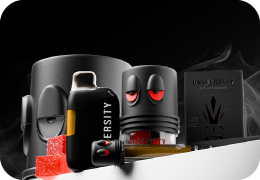
Trap University demonstrates a strong commitment to quality, transparency, and customer satisfaction, making it a leading provider of THCA products. The diverse range available includes THCA flowers and vape cartridges, all crafted to meet high standards for potency and purity.
THCA Flower: Trap University’s THCA flowers are sourced from reputable hemp cultivators, ensuring superior quality and adherence to federal regulations. Each flower is meticulously selected for a rich cannabinoid profile, providing a robust and flavorful experience for users.
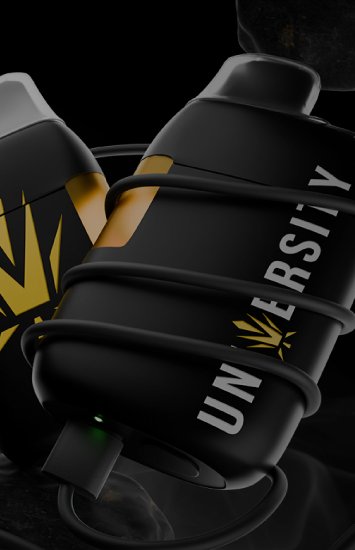
THCA Disposable: The THCA disposable vapes from Trap University are crafted using premium ingredients and cutting-edge extraction techniques. These vapes offer an exact dosage of THCA and other hemp derivatives, providing a practical and discreet option for introducing THCA into daily routines. With a variety of appealing flavors, these vapes cater to the taste preferences of THCA enthusiasts.
Extensive Product Selection: Beyond flowers and vapes, Trap University presents a comprehensive array of THCA options, including pre-rolled joints. Each product undergoes rigorous laboratory testing for potency and purity, ensuring customers receive only premium-quality THCA items. Customers are at the heart of Trap University’s mission. Teams of dedicated professionals are on hand to support and guide customers in selecting the ideal THCA product to meet their needs. Whether one is new to THCA or already an enthusiast, Trap University guarantees a superior level of quality and service consistently. Driven by a steadfast commitment to quality and customer satisfaction, Trap University emerges as the premier destination for superior THCA products. Explore the offerings to enhance wellness experiences with Trap University.
Read More: THCA vs THCP: Comparing Effects and Key Differences
THCA Rules FAQs
How Do Legal Aspects of THCA and THC Compare?
- THCA is the non-psychoactive precursor of THC found in cannabis plants. In its natural state, THCA does not cause a high, which typically places it outside of strict legal controls. In contrast, THC, formed when THCA is heated, has psychoactive effects that are frequently regulated by law.
Is THCA a Federally Controlled Substance?
- Under federal law, THCA on its own is not classified as a controlled substance. It only becomes THC, which is controlled, through a process called decarboxylation or heating. The 2018 Farm Bill legalized THCA if it comes from hemp containing less than 0.3% THC.
Do THCA Regulations Differ Among States?
- State laws on THCA differ widely. Certain states have specific regulations for THCA, while others simply adhere to federal guidelines. Understanding the local legal landscape is crucial for anyone dealing with THCA to ensure compliance with both state and federal laws.
What Is the Legal Distinction Between THCA and Psychoactive THC?
- Legal differences between THCA and THC primarily focus on psychoactivity. THCA on its own does not produce a high, turning into psychoactive THC upon heating. Laws generally hinge on the level of psychoactive THC present to determine how strictly these substances are regulated.
Ways Consumers Can Comply With THCA Laws
- Consumers can adhere to THCA regulations by checking that products have correct THC content labeling. Buying from reputable suppliers and staying updated on state laws is advisable. Consulting with legal experts also provides valuable insights on remaining compliant.
Final Thoughts
Understanding the legal framework surrounding THCA and THC involves recognizing THCA’s status under federal law since the 2018 Farm Bill, which legalized hemp-derived products. THCA remains federally permissible if it is sourced from legally compliant hemp. Nonetheless, differences in state laws can lead to variations in the legality of THCA products. Staying informed about state-specific regulations and choosing reliable vendors is vital for those involved in the cannabis industry, ensuring they operate within the legal boundaries.